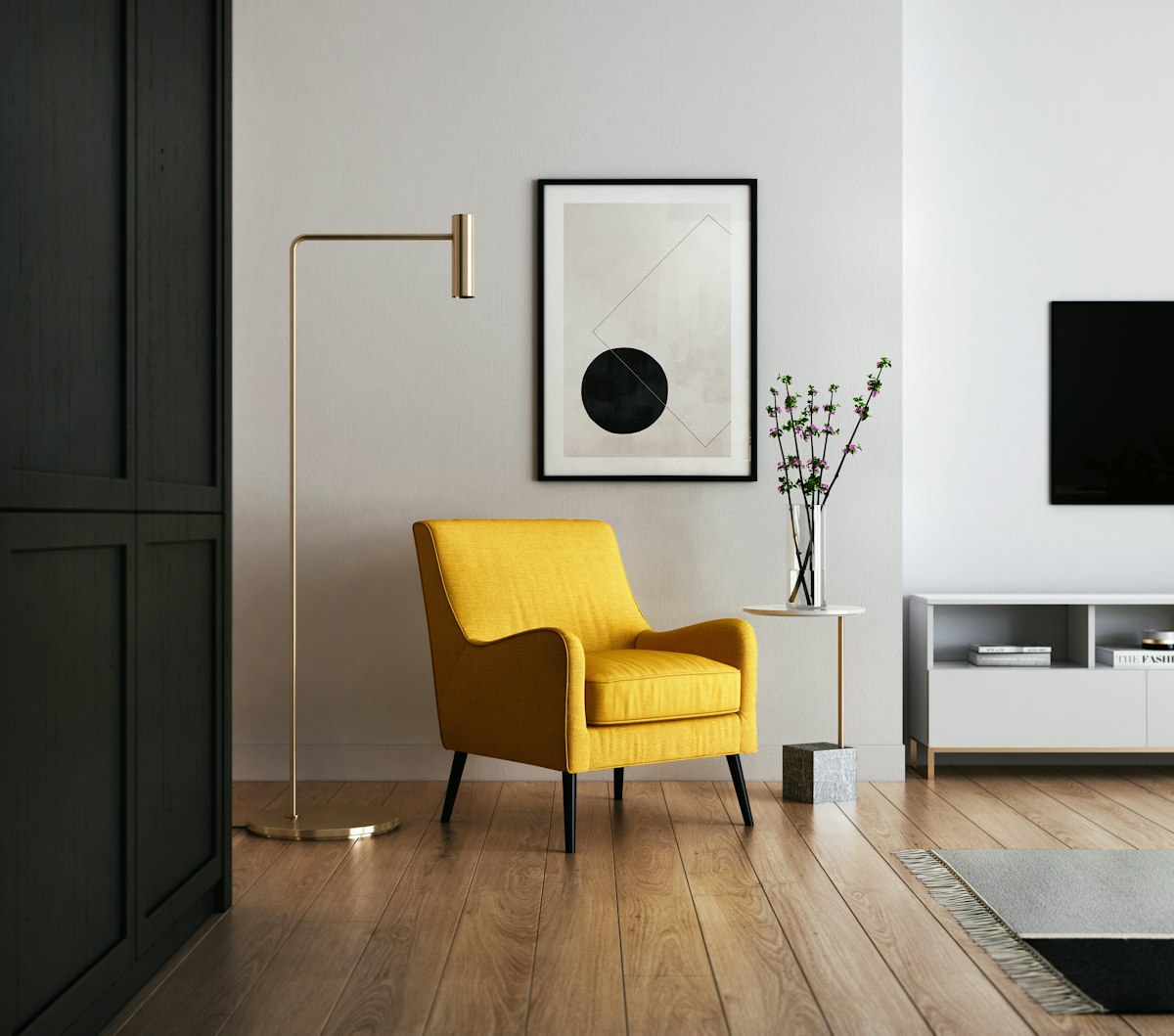
The modern concept of decluttering is often presented as an all-or-nothing proposition: empty your closets onto the bed, discard everything that does not spark intense joy, and live in stark white rooms with three possessions.
For most people balancing careers, families, and busy schedules, extreme minimalism is neither realistic nor desirable. Clutter rarely accumulates because of a moral failure; it accumulates because our modern living spaces lack intuitive, low-friction systems to manage the constant inbound stream of physical objects.
Here are five practical, sustainable principles to reduce household clutter gradually and keep your home feeling peaceful and functional.
1. Eliminate the “Drop Zones” Near Entryways
The primary entry point of your home—whether a formal foyer, a back kitchen door, or an apartment hallway—is where clutter makes its first beachhead. Mail, receipts, shopping bags, gym shoes, and keys naturally accumulate on the nearest flat surface.
- Create Dedicated Landings: Give every daily essential a designated home within three steps of the front door:
- A heavy ceramic bowl for keys, wallets, and badges.
- A small wall-mounted mail slot or hanging file.
- A boot tray or discrete shoe rack.
- The Immediate Recycle Rule: Stand over the recycling bin when you retrieve physical mail. Discard credit card offers, catalogs, and flyers immediately before walking into the living room or kitchen.
2. Adopt the “One-In, One-Out” Rule for Bulky Categories
Clutter expansion is a simple mathematical equation: when the volume of incoming goods exceeds the volume of exiting goods, storage capacity fails.
To maintain equilibrium without constant purging:
- Clothing: When you purchase a new winter coat or pair of denim jeans, donate or consign an older pair from your closet.
- Mugs and Glassware: Limit coffee mugs to the actual capacity of your designated mug shelf. When a souvenir mug arrives, part with one you rarely reach for.
- Books & Media: If your bookshelf is full, adopt a policy of lending, donating, or selling a book every time you buy a new physical edition.
3. Practice the “Container Principle”
Professional organizers frequently emphasize that containers are not just storage vessels—they are natural physical boundaries.
- How It Works: Instead of buying more storage boxes to hold an ever-expanding collection of hobby supplies, cables, or makeup, designate a fixed, finite container for that category.
- The Rule: Once that container is full, it is signaling that your collection has reached capacity. If you want to acquire a new makeup palette or craft tool, you must select an existing item in that container to donate or discard to make room.
4. The 10-Minute Nightly “Reset Walk”
One of the most effective ways to prevent clutter from compounding is introducing a brief, non-stressful evening reset.
- Set a Timer for 10 Minutes: Put on an energetic playlist or podcast.
- The Laundry Basket Method: Grab an empty laundry basket and walk through common living spaces (living room, dining table, kitchen island). Pick up everything that does not belong in that room—stray phone chargers, children’s toys, discarded magazines, water bottles.
- Redistribute: Walk through the house and return each collected item to its designated room.
- Result: You wake up each morning to tidy, inviting living areas rather than yesterday’s accumulated debris.
5. Digitize Sentimental Paper and User Manuals
Paper clutter is notoriously difficult to process because it carries emotional weight or perceived future utility.
- Appliance and Gadget Manuals: Almost every manufacturer provides full PDF user manuals online. Recycle the thick multilingual paper booklets that accompany toasters, monitors, and washing machines.
- Children’s Artwork & Cards: Take high-resolution photos of handwritten cards or children’s school art projects and save them to a dedicated “Memories” cloud photo album. Keep only a curated selection of truly meaningful physical originals in an archival keepsake box.
Gentle Reminder: Organization Is a Process, Not an Event
Your home is a living environment meant for comfort, creativity, and connection—not a sterile museum. Aim for functional, low-friction spaces that support your daily life, and celebrate small, incremental improvements.
Maintaining an orderly living environment becomes much easier when paired with predictable weekly rhythms. Combine these decluttering systems with our simple Sunday reset ideas for a calmer week and discover more intentional habits in our Lifestyle & Everyday Betterment collection.