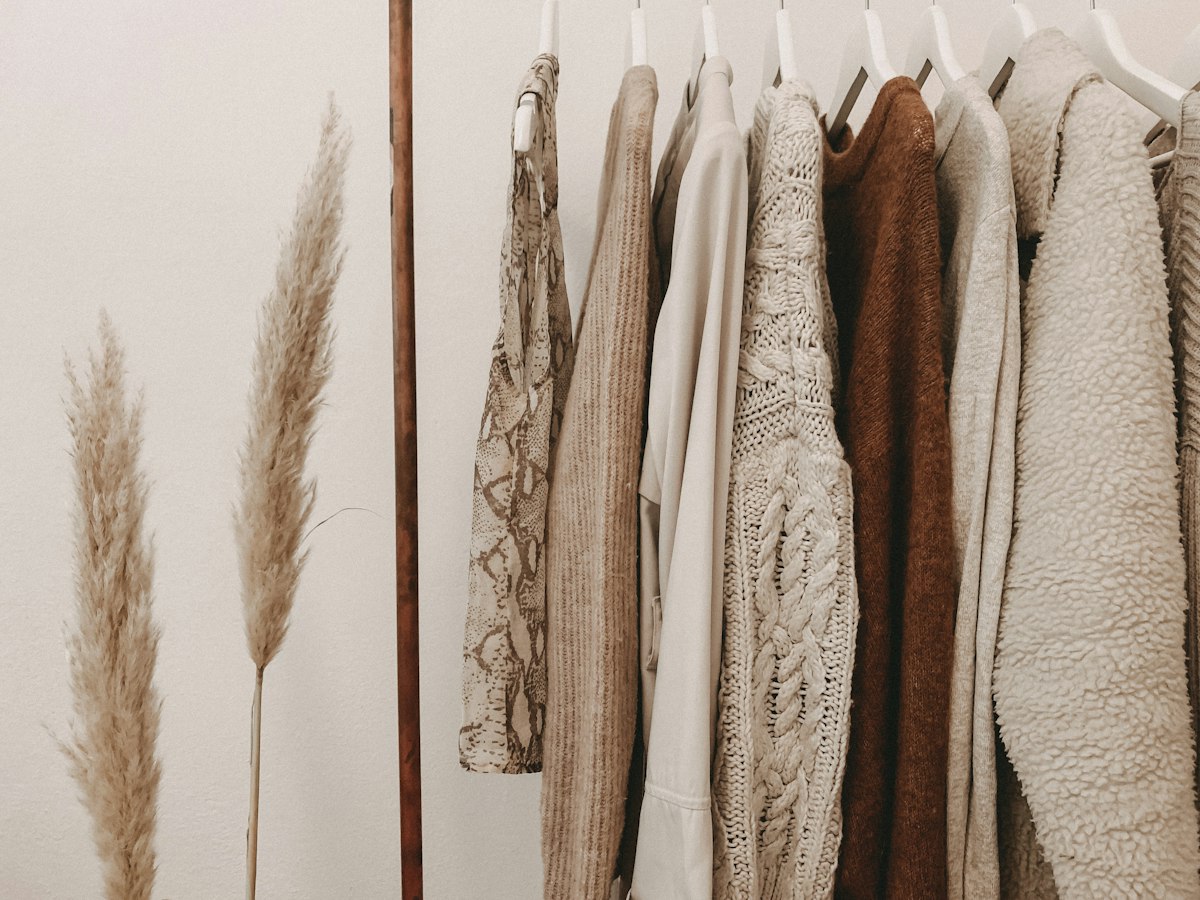
Costume design in cinema is frequently misunderstood as simple wardrobe styling. In reality, costume designers are visual sociologists and storytellers. An outfit chosen for a character establishes their social standing, emotional vulnerabilities, psychological state, and narrative arc before a single line of dialogue is spoken.
When costume design aligns seamlessly with cinematography and narrative tone, individual garments transcend the screen to become cultural touchstones. Here is an analysis of four iconic film costumes and the deliberate artistic choices that made them unforgettable.
1. The Matrix (1999) — Practical Cyberpunk and Tactile Materiality
Costume designer Kym Barrett faced an extraordinary creative constraint when designing the wardrobe for The Matrix: the production had an ambitious visual vision but a tightly managed budget.
Rather than dressing Keanu Reeves, Carrie-Anne Moss, and Laurence Fishburne in expensive luxury leather, Barrett innovated with unexpected industrial textiles:
- Trinity’s PVC Trench Coat: Barrett fashioned Trinity’s famous skin-tight coat out of cheap stretch vinyl and PVC. The high-gloss material reflected the green-tinted institutional lighting of the film’s simulated world, giving her movements an electric, predatory sharpness.
- Neo’s Flowing Wool Coat: Neo’s trench was constructed from heavy wool blends designed specifically to capture wind machines during wirework fight scenes. When Neo spun or kicked, the coat blossomed like a cape, visually emphasizing his transition into a superhero-like figure.
- Micro-Sunglasses: Custom-crafted by designer Richard Walker, the frameless and clip-on lenses permanently masked the characters’ eyes, reinforcing the emotional detachment required to navigate the simulated reality.
2. Mad Max: Fury Road (2015) — Narrative Scarcity and Survival Utilitarianism
Jenny Beavan won an Academy Award for her costume design on George Miller’s high-octane post-apocalyptic masterpiece, created through rigorous logic about what materials could realistically survive in a barren desert.
- Imperator Furiosa’s Functional Rigging: Charlize Theron’s costume centered around industrial canvas, worn mechanic belts, and a mechanical prosthetic arm assembled from scavenged aircraft parts and tool wrenches. Every tear, oil stain, and stitch carried narrative history.
- The Wives’ Bleached Muslin Wraps: In stark contrast to the grease and steel of the Citadel, the five escaped wives wore delicate, unblemished gauze and muslin wraps. The visual softness emphasized their isolation from the brutal wasteland and their status as prized, protected possessions of Immortan Joe.
- Immortan Joe’s Transparent Armor: Carved from molded polycarbonate and adorned with military medals, his chest armor showcased simulated musculature while disguising his decaying, disease-ridden body underneath.
3. Breakfast at Tiffany’s (1961) — Architectural Simplicity and Haute Couture
Audrey Hepburn’s opening appearance in Breakfast at Tiffany’s remains perhaps the single most famous costume moment in film history. Designed by Hubert de Givenchy, Holly Golightly’s black satin evening gown revolutionized how cinema framed modern urban glamour.
- The Columnar Cut: The gown featured a sleeveless, fitted sheath bodice with a distinctive crescent neckline and an open back cutout, creating a stark, clean silhouette that stood in contrast to the ornate Fifth Avenue department store facade at dawn.
- Contrasting Accessories: Givenchy and director Blake Edwards balanced the austerity of the black gown with oversized tortoiseshell sunglasses, elbow-length evening gloves, and a multi-strand pearl and paste tiara choker.
- The Narrative Role: The ensemble visually communicated Holly’s duality: an impoverished country girl wearing her entire identity on her sleeve, using couture as protective armor against urban vulnerability.
4. Black Panther (2018) — Afrofuturism Meets Indigenous African Heritage
Costume designer Ruth E. Carter conducted extensive ethnographic research across Africa to create the visual identity of Wakanda, merging traditional African textiles with high-tech superhero functionality.
- Queen Ramonda’s Crown: Inspired by traditional Zulu married women’s hats (isicholo), the crown was fabricated using cutting-edge 3D printing technology to achieve mathematical perfection while honoring ancestral craft.
- The Dora Milaje Battle Uniforms: The all-female royal guard wore beaded leather armor inspired by Turkana and Maasai neckrings, paired with practical combat boots and waist harnesses that allowed full martial arts agility.
- T’Challa’s Vibranium Suit: Carter integrated subtle triangle geometric patterns across the black Panther weave, mirroring traditional West African textiles while communicating the fictional metal’s energy-absorbing lattice.
Key Takeaway for Film Enthusiasts
Memorable costumes succeed because they answer fundamental questions:
- Where did this character get these clothes?
- What are they trying to conceal or project to the world?
- How does the texture interact with the lighting and environment?
When you watch a film, pay attention to costume transitions. When a character changes their jacket, color palette, or silhouette, the story is usually shifting underneath.
Costume design works in direct synergy with cinematic environments to shape memorable storytelling. Discover how scenic architecture builds drama in our guide to streaming shows with exceptional production design and browse our Entertainment & Culture collection.