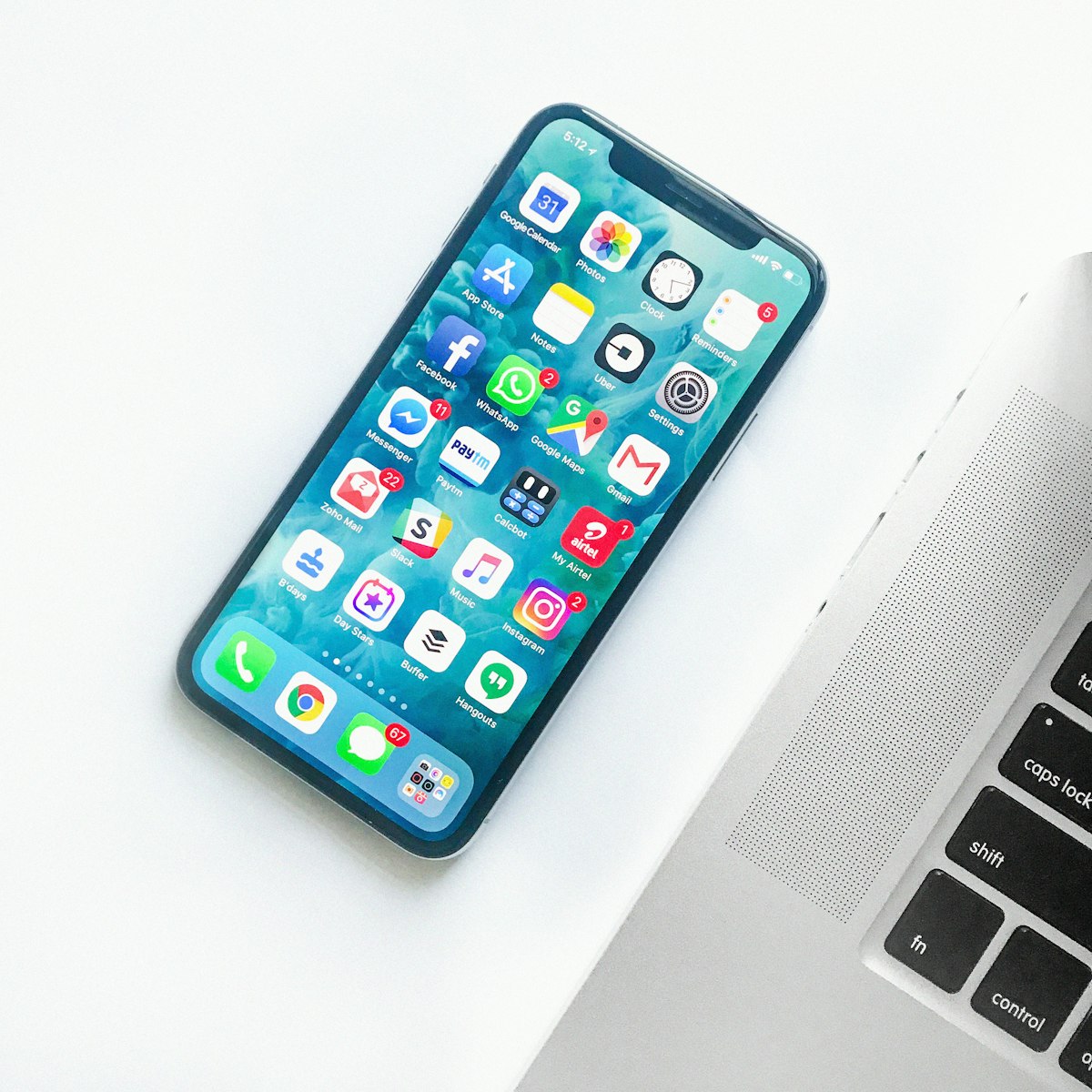
Modern smartphones—whether powered by Apple iOS or Google Android—ship out of the box configured with default settings designed primarily for device connectivity, vendor analytics, and maximum visual engagement. Rarely, however, are factory defaults tailored for maximum battery longevity, user privacy, or focused attention.
Taking 15 minutes to review and calibrate your phone’s background preferences can dramatically reduce unwanted tracking, prevent notification fatigue, and extend your battery life throughout a busy workday.
Here are six essential smartphone settings on iOS and Android worth auditing today.
1. Precise Location Access: Shift to “Approximate”
Many popular applications—including weather widgets, local news platforms, and delivery apps—ask for access to your exact GPS coordinates when you first open them.
- The Privacy Risk: Precise location pinpointing identifies your exact physical position down to a few meters, generating detailed spatial histories of where you live, work, and commute.
- The Optimization: For apps that only require broad regional data (e.g., weather forecasts or general neighborhood updates), revoke “Precise Location” while keeping general location enabled:
- iOS: Go to Settings > Privacy & Security > Location Services > tap the individual app > toggle off Precise Location.
- Android: Go to Settings > Location > App location permissions > select the app > choose Approximate location.
2. Background App Refresh / Battery Usage Restrictions
By default, dozens of apps constantly refresh feeds, fetch background advertising payloads, and ping remote servers even when you are not actively using them.
- The Impact: Unrestricted background activity is one of the single biggest contributors to unexplained battery drain and cellular data consumption.
- The Optimization:
- iOS: Navigate to Settings > General > Background App Refresh. Disable it completely, or selectively allow it only for mission-critical apps like navigation or secure messaging.
- Android: Navigate to Settings > Battery > Battery usage or App battery usage > set seldom-used applications to Restricted.
3. Lock Screen Notification Content Previews
Receiving a two-factor authentication SMS code, an email snippet, or a personal message directly on your lock screen offers convenience—but it also exposes sensitive personal information to anyone who glances at your device on a table or in an office.
- The Security Risk: If your phone is misplaced or left unattended, anyone can view one-time verification passcodes or private messages without unlocking the device.
- The Optimization:
- iOS: Go to Settings > Notifications > Show Previews > select When Unlocked. Your notifications will still alert you, but the message text remains hidden until Face ID or Touch ID verifies your identity.
- Android: Go to Settings > Notifications > Notifications on lock screen > select Hide sensitive content or Show sensitive content only when unlocked.
4. Personalized Advertising Identifiers and Telemetry
Both Apple and Google allow advertisers to serve targeted ads based on your app interactions, device identifiers, and browsing patterns.
- The Privacy Adjustment:
- iOS: Go to Settings > Privacy & Security > Tracking > toggle off Allow Apps to Request to Track. This automatically denies permissions whenever third-party apps attempt to track your activity across other companies’ apps and websites. Next, go to Settings > Privacy & Security > Apple Advertising > toggle off Personalized Ads.
- Android: Go to Settings > Security & privacy > Privacy > Ads > tap Delete advertising ID. This removes your device’s unique advertising profile from Google Play services.
5. Wi-Fi and Bluetooth Background Scanning
Even when you have toggled off Wi-Fi or Bluetooth in quick settings, many devices continue background scanning to assist location positioning and nearby device discovery.
- The Battery & Privacy Benefit: Disabling passive scanning prevents your phone from constantly broadcasting probe requests to nearby networks.
- The Optimization (Android): Go to Settings > Location > Location services > toggle off both Wi-Fi scanning and Bluetooth scanning.
6. Notification Priority: Scheduled Summaries & Notification Channels
Constantly reacting to vibrational buzzes and banner alerts interrupts cognitive focus and induces digital stress.
- The Habit Adjustment:
- iOS (Scheduled Summary): Go to Settings > Notifications > Scheduled Summary. Group non-urgent applications (social media, retail sales, news feeds) into a single digested bundle delivered twice a day (e.g., 8:00 AM and 6:00 PM).
- Android (Notification Channels): Long-press any incoming notification banner > tap the gear icon. You can selectively mute promotional marketing banners from an app while keeping crucial order updates or chat notifications active.
Quarterly Maintenance Recommendation
Make it a quarterly habit to:
- Uninstall any app you haven’t opened in 90 days.
- Review granted microphone, camera, and photo permissions under Privacy Settings.
- Verify your automated cloud and local device backups are running without errors.
1 thought on “Smartphone Settings Worth Checking Today”