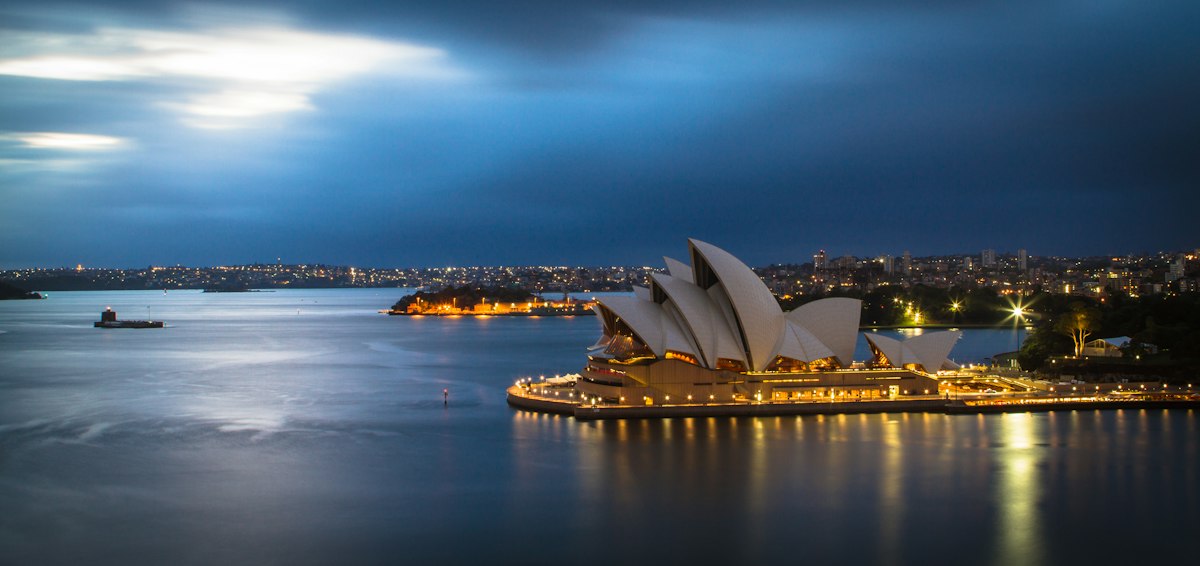
Australia’s coastline spans nearly 37,000 miles, linking white-sand beaches, ancient sandstone cliffs, turquoise coral reefs, and wild Southern Ocean swells.
For travelers who appreciate dramatic geology, untamed wildlife, and expansive horizon views, an Australian coastal road trip is a bucket-list journey. Here are five unforgettable coastal stops across the continent that deliver extraordinary visual rewards.
1. The Twelve Apostles & Loch Ard Gorge (Great Ocean Road, Victoria)
Carved by the relentless pounding of the Southern Ocean against limestone cliffs, the Twelve Apostles on Victoria’s southwestern coastline are among Australia’s most celebrated natural landmarks.
- Geological Sculpture: While only seven offshore limestone sea stacks remain standing today, their 150-foot-tall pillars rise dramatically above crashing surf and pristine beaches.
- Loch Ard Gorge: Just three minutes west of the Apostles, descend wooden stairs into Loch Ard Gorge, a sheltered cove of golden sand flanked by yellow-ochre cliffs. In 1878, the clipper ship Loch Ard wrecked on nearby Mutton Bird Island; only two teenage passengers survived by washing into this protected inlet.
- Lighting Tip: View the Apostles at sunrise or sunset, when the limestone transitions through shades of pale ochre, deep apricot, and fiery rose.
2. Cape Le Grand National Park & Lucky Bay (Esperance, Western Australia)
Located near the remote town of Esperance on the south coast of Western Australia, Cape Le Grand National Park features some of the whitest sands in the world, certified by geoscientists for their pure quartz composition.
- Wild Kangaroos on the Beach: Lucky Bay is internationally famous for its resident population of wild western grey kangaroos that comfortably lounge along the tide line on powdery white sand.
- Turquoise Contrasts: The crystalline purity of the Southern Ocean against the brilliant white quartz sand and massive granite headlands creates a color contrast that looks almost computer-generated.
- Hiking Frenchman Peak: A steep 1.8-mile (3 km) trek up the smooth granite dome of Frenchman Peak (Marrma Wirra) rewards climbers with 360-degree views across the islands of the Recherche Archipelago.
3. Wineglass Bay & Hazards Beach (Freycinet Peninsula, Tasmania)
On Tasmania’s sunny east coast, the Freycinet Peninsula juts into the Tasman Sea, defined by the towering pink granite peaks of the Hazards mountain range.
- The Wineglass Bay Lookout: A moderate 45-minute uphill trek brings hikers to the famous saddle overlooking Wineglass Bay—a nearly flawless semicircular crescent of dazzling white sand embracing sapphire-blue water.
- The Hazards Granite: Composed of pink orthoclase feldspar, the Hazards glow vividly rose-pink during late afternoon golden hour.
- Coastal Wildlife: Watch for Australian fur seals resting on granite sea platforms and white-bellied sea eagles circling the coastal thermals.
4. Cape Byron & Wategos Beach (Byron Bay, New South Wales)
Situated on a dramatic headland in northern New South Wales, Cape Byron marks the easternmost point of the Australian mainland continent.
- Cape Byron Lighthouse: Built in 1901 from precast concrete blocks, this gleaming white active lighthouse commands 360-degree ocean views from atop a 300-foot sheer cliff.
- Marine Megafauna: Between May and November, the headland is one of the world’s premier land-based vantage points for watching migrating humpback whales, pods of bottlenose dolphins, and green sea turtles feeding in the emerald shallows below.
- Wategos Beach: A protected north-facing cove shaded by native pandanus palms, celebrated for long peeling right-hand point breaks and unhurried coastal walking tracks.
5. Ningaloo Reef & Cape Range (Exmouth, Western Australia)
While Queensland’s Great Barrier Reef is legendary, Ningaloo Reef along Western Australia’s Coral Coast offers an experience that is far more intimate and directly accessible from the shore.
- Fringing Coral Access: Unlike reefs that require hours-long catamaran journeys offshore, Ningaloo is a fringing reef that sits just 50 to 100 meters from the sand. You can simply wade in with a snorkel and mask to encounter sea turtles, manta rays, and over 500 species of tropical fish.
- Swimming With Whale Sharks: Between March and August, Ningaloo is one of the few places on Earth where ethical, licensed swimming tours allow travelers to snorkel alongside gentle, colossal whale sharks.
- Yardie Creek: Where ancient red limestone gorges carve through Cape Range National Park directly into the turquoise Indian Ocean, inhabited by endangered black-flanked rock-wallabies.
Essential Australian Road Trip Safety
- Wildlife Hazard at Dawn & Dusk: Kangaroos, wallabies, and emus are most active during twilight. Avoid driving long highway stretches at dawn or after sunset outside urban areas.
- Sun Protection: The Australian sun has an extraordinarily high UV index. Wear broad-spectrum SPF 50+ sunscreen, a wide-brimmed hat, and polarized sunglasses.
- Carry Extra Water: Remote regions in Western Australia and Tasmania have significant distances between fuel and supply stops. Always carry at least 5 liters of drinking water per person.
For more visual travel itineraries celebrating pristine waters and wild geology, explore our guide to breathtaking Canadian glacial lakes and browse the complete Travel & Places archive.